

Version 20 of Surreal CMS is out. It's named for the twenty years I've spent building it, so this post is a little more personal than usual.
How it started
I was in college and working full-time when I had the idea. You'd add an editable class
to the parts of a static webpage you wanted to change, and the CMS would read and write the file over FTP,
which almost every host offered at the time. I built it in whatever time I had left after studying, which
usually meant staying up until two or three in the morning.
I finally launched Surreal CMS in November 2008. My first paying customer signed up on day two, and I almost couldn't believe it. Then another one signed up, and another.
I wrote more about the early years in Lessons Learned From a 10 Year Old SaaS.
The years in between
For a while, I bought print ads in net magazine. It was fun seeing them every month.

Surreal CMS eventually replaced my full-time job. Later, I acquired PageLime, one of our fiercest competitors.
In 2019, version 7 replaced a decade-old PHP and jQuery codebase with Node.js and Vue.js. That same year, Surreal CMS became free for personal, educational, and non-profit websites. It still is.
Today, Surreal CMS has been used to edit more than 80,000 websites and over a million pages. Our subscribers still get a reply in less than 24 hours, weekends included.
What's new in version 20
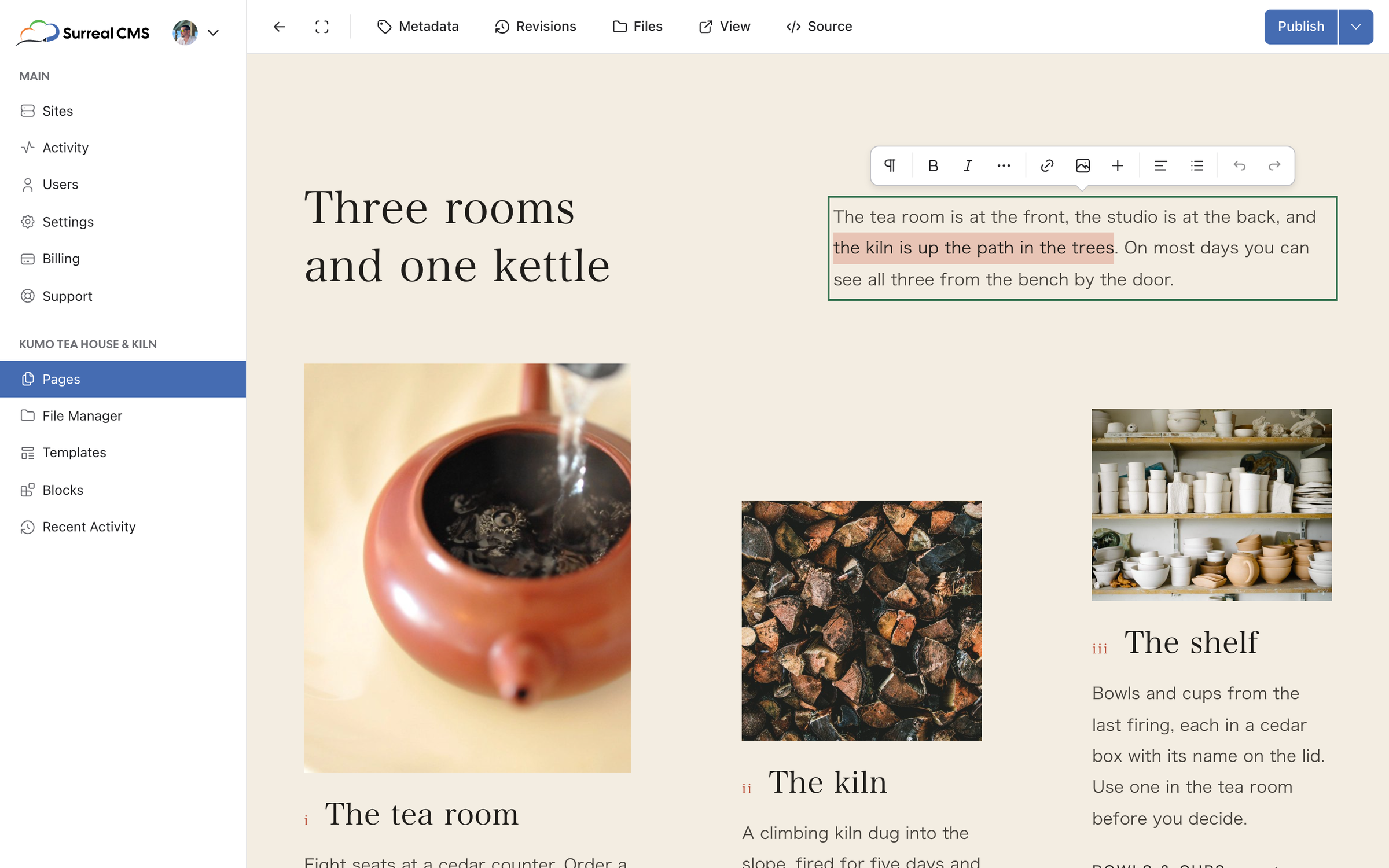
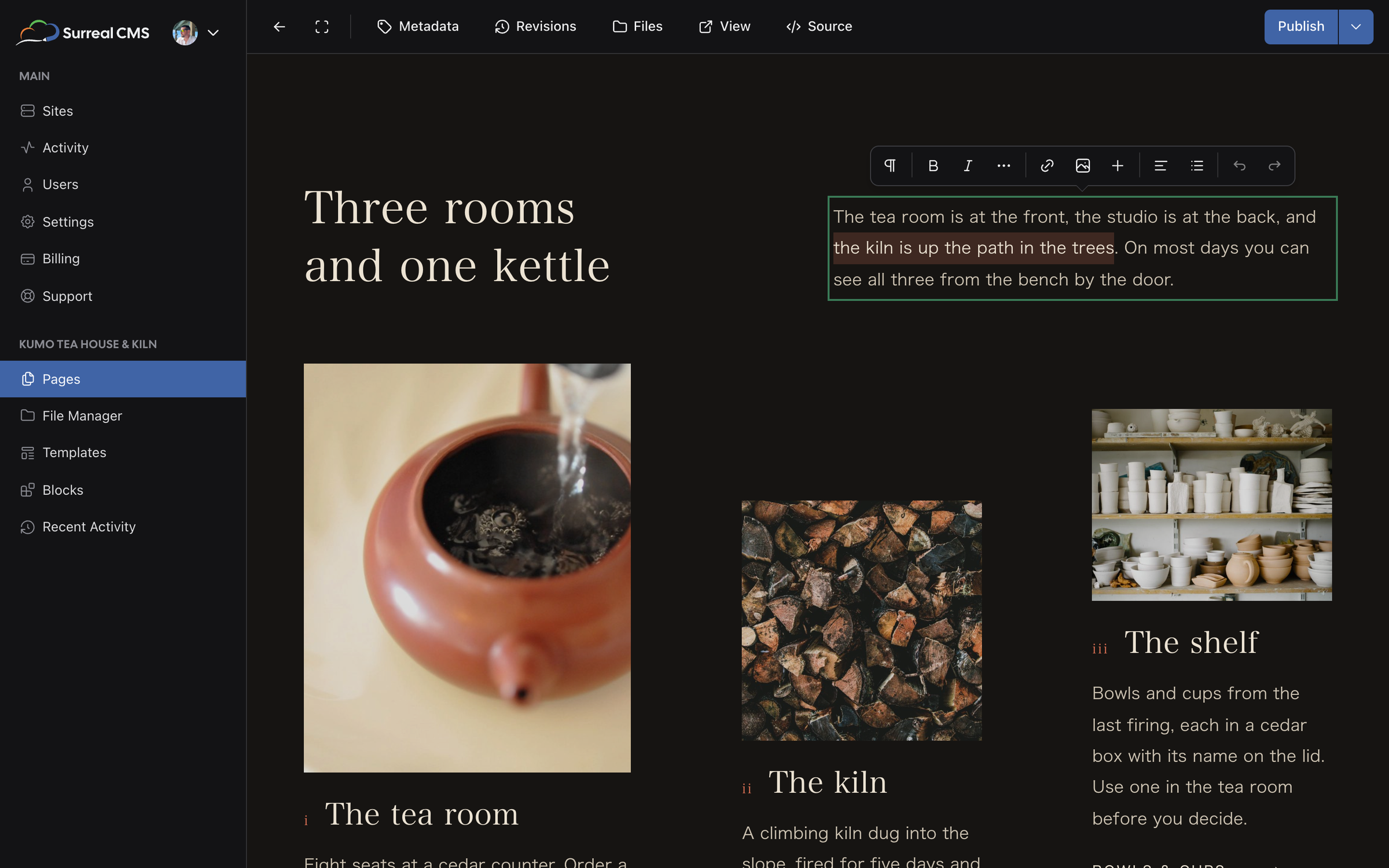
The idea hasn't changed. You add a class to your HTML, your clients edit that part, and nothing gets installed on your server. The how it works page has the details. Around that idea, almost everything is new: the design, the logo, the connectors, and a lot of work behind the scenes that you won't see.
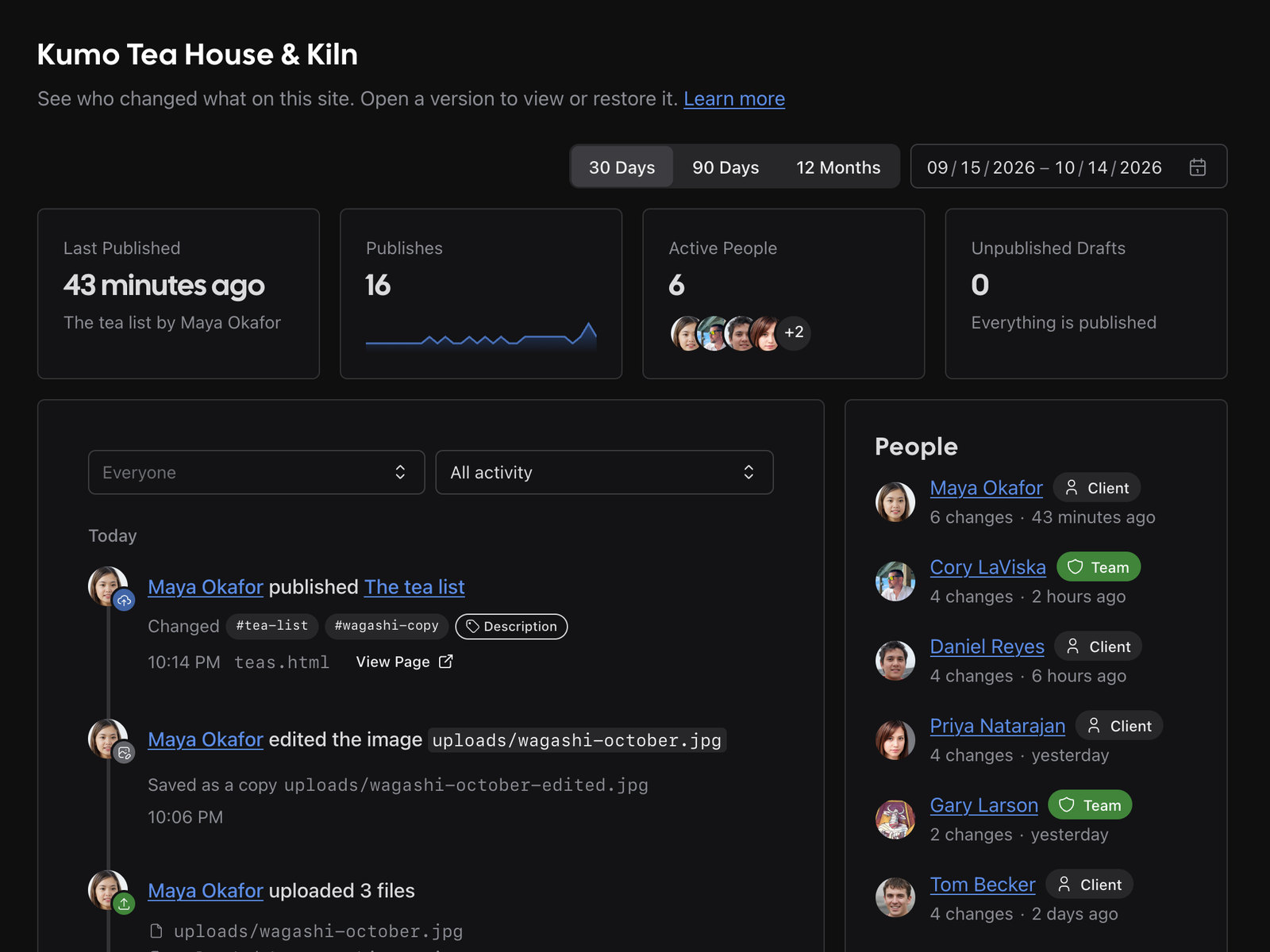
Focus mode hides everything but the page while you edit. You can drag repeatable items into place, switch to dark mode, and use the app in 18 languages. The editor is now Surreal Editor, our own fork of TinyMCE, with dozens of long-standing bugs fixed.
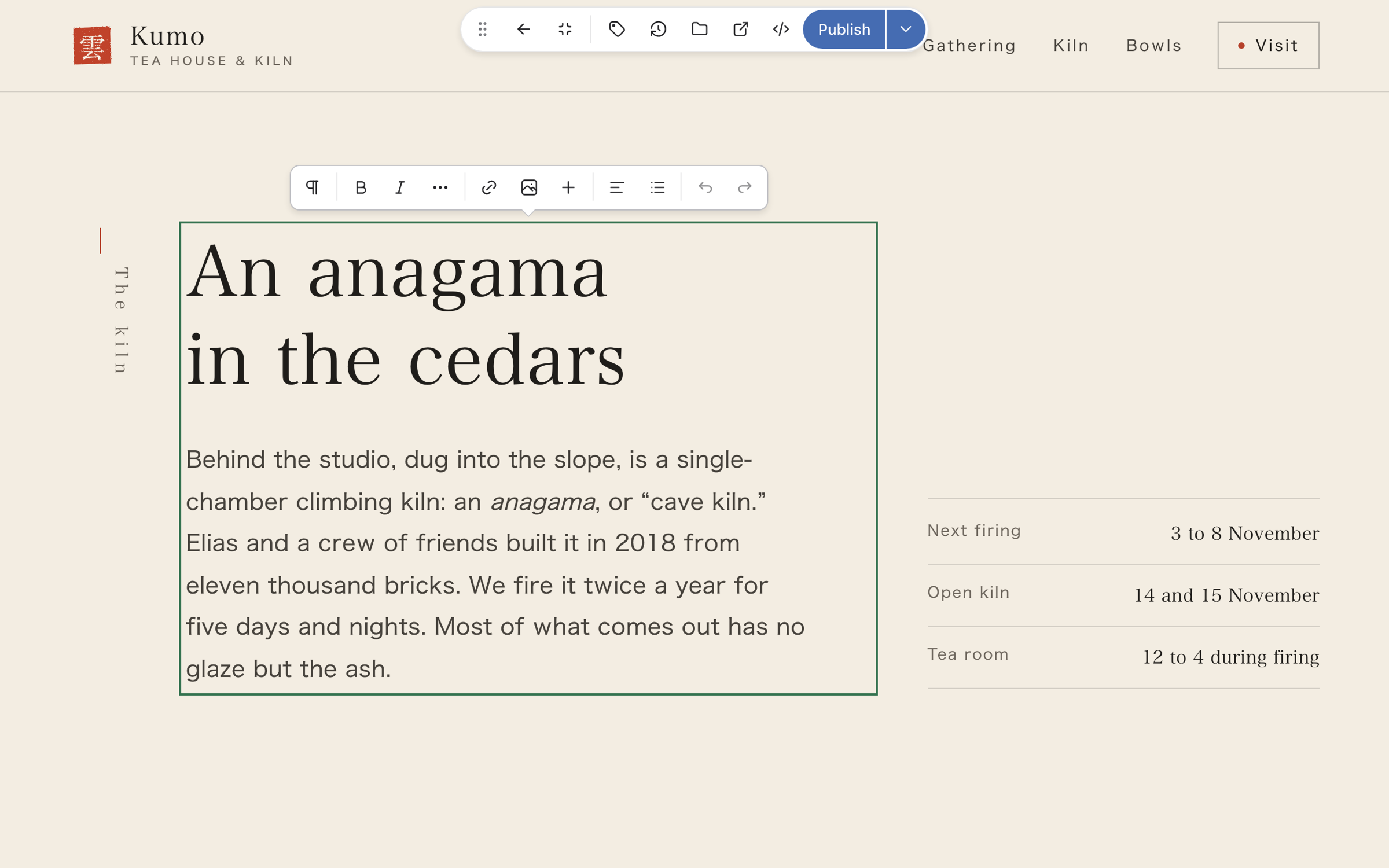
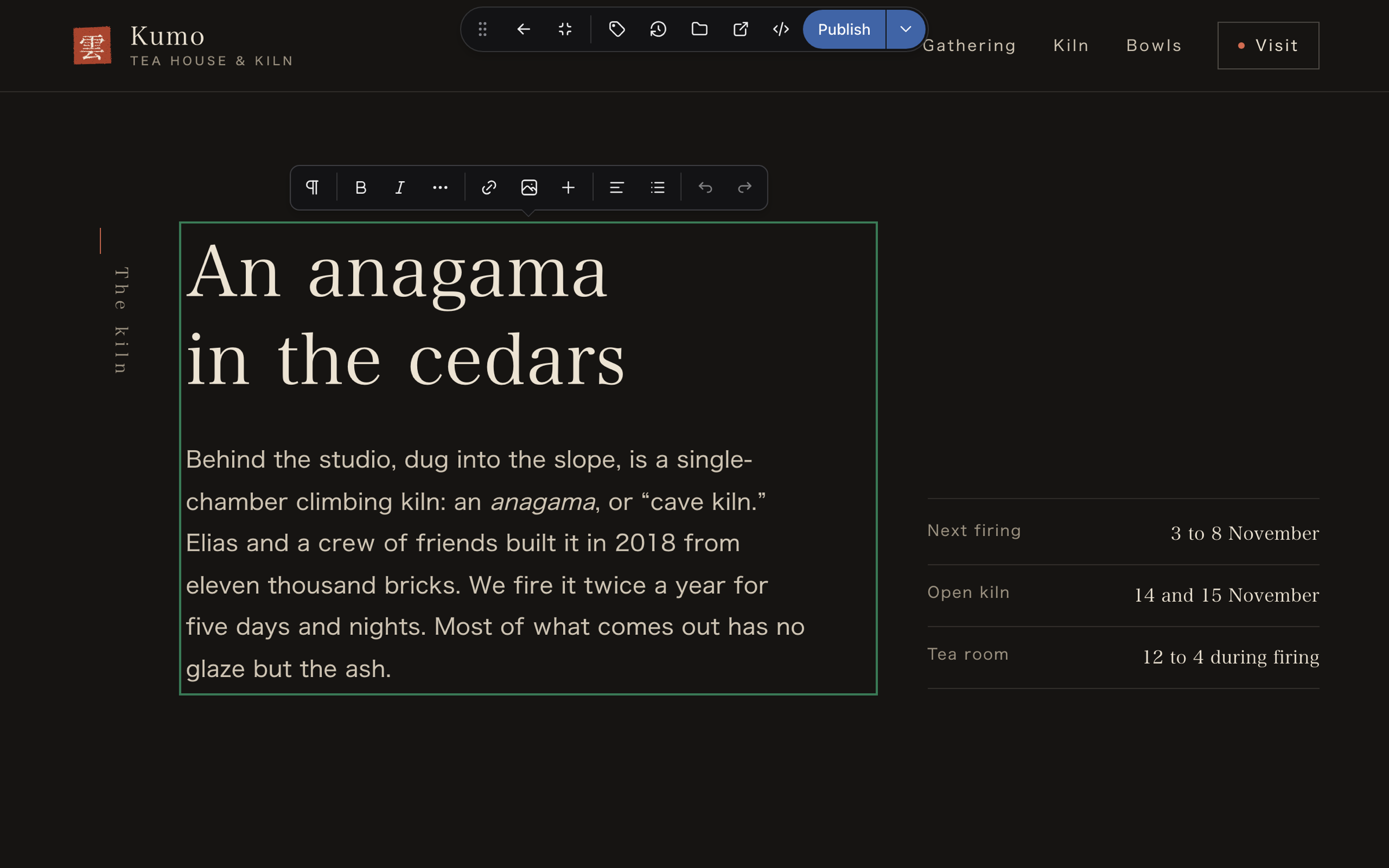
You can connect sites hosted on Cloudflare R2 and DigitalOcean Spaces, and support for GitHub is coming soon. Scan for Pages finds every page with content regions on your server, so you can enable them all at once. The source editor flags markup that will break a content region, like a region nested inside another one.
You can drag entire folders into the file manager, not just files, and preview images and files with Quick Look. The file manager also has an image editor, so you can crop, rotate, and resize images without leaving the CMS.
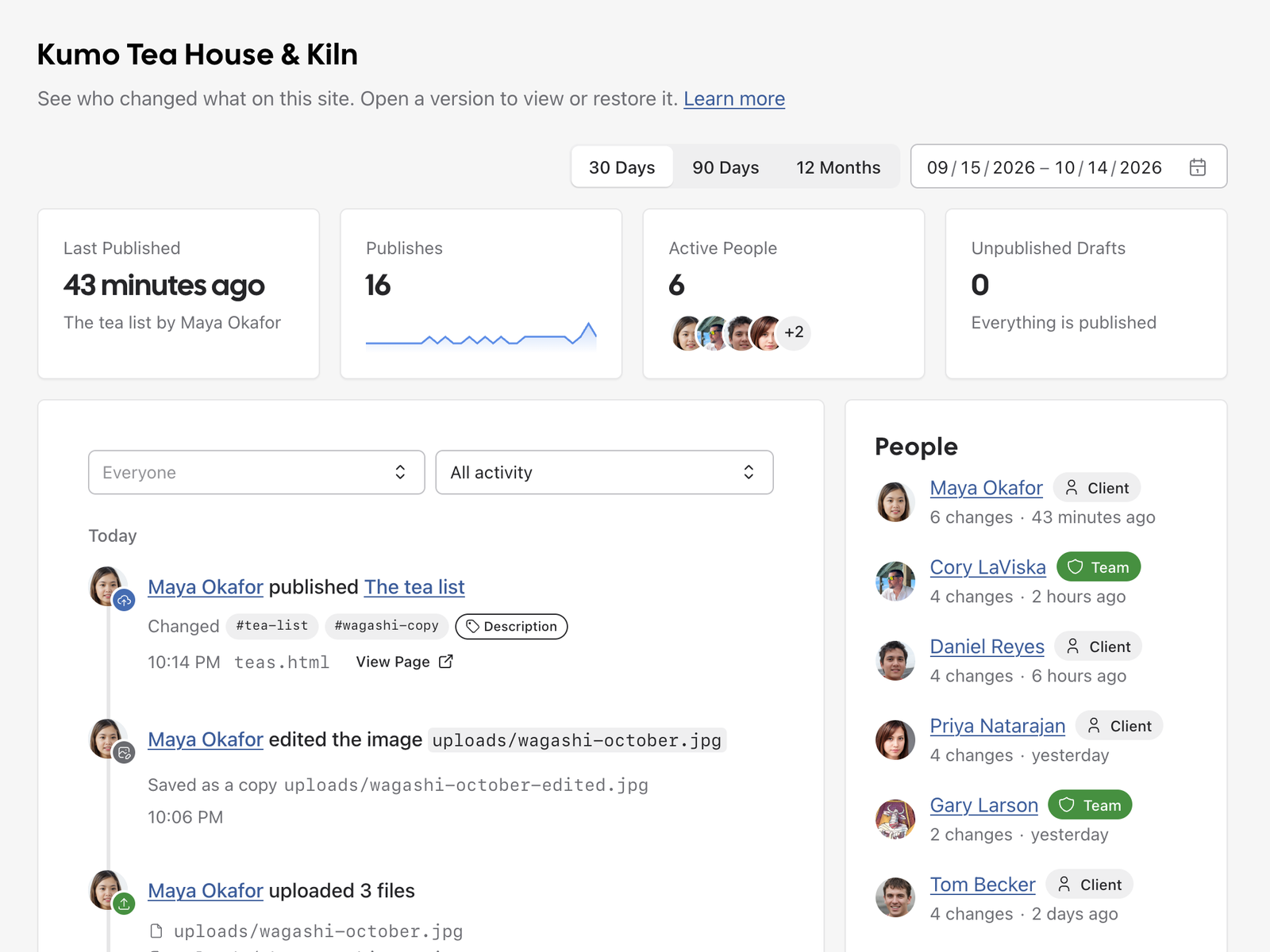
You can schedule a draft to publish on a set date and time. The activity log shows who changed what, across your account, on each site, and for each person.
And AI agents can set up Surreal CMS for you. They can make your pages editable, add the site to your account, and invite your client.
New plans
There are new plans, too. If you already subscribe, nothing changes right away. You keep your plan and your price until November 20, 2027, and you can switch to a new plan anytime before then. The pricing FAQ explains what happens after that.
What's next
This is only the first step. There's a lot more on the roadmap, and it'll start rolling out soon.
It's been a long road. Thank you to everyone who has used Surreal CMS, sent a bug report, or stuck around through all the versions in between. Even though it's been a while, somehow I still feel like I'm just getting started!